 English
 كوردى
كوردى عربي
عربي
Ministry of Higher Education Organizes a “Kazi (Braid) Meeting for Academic Women”
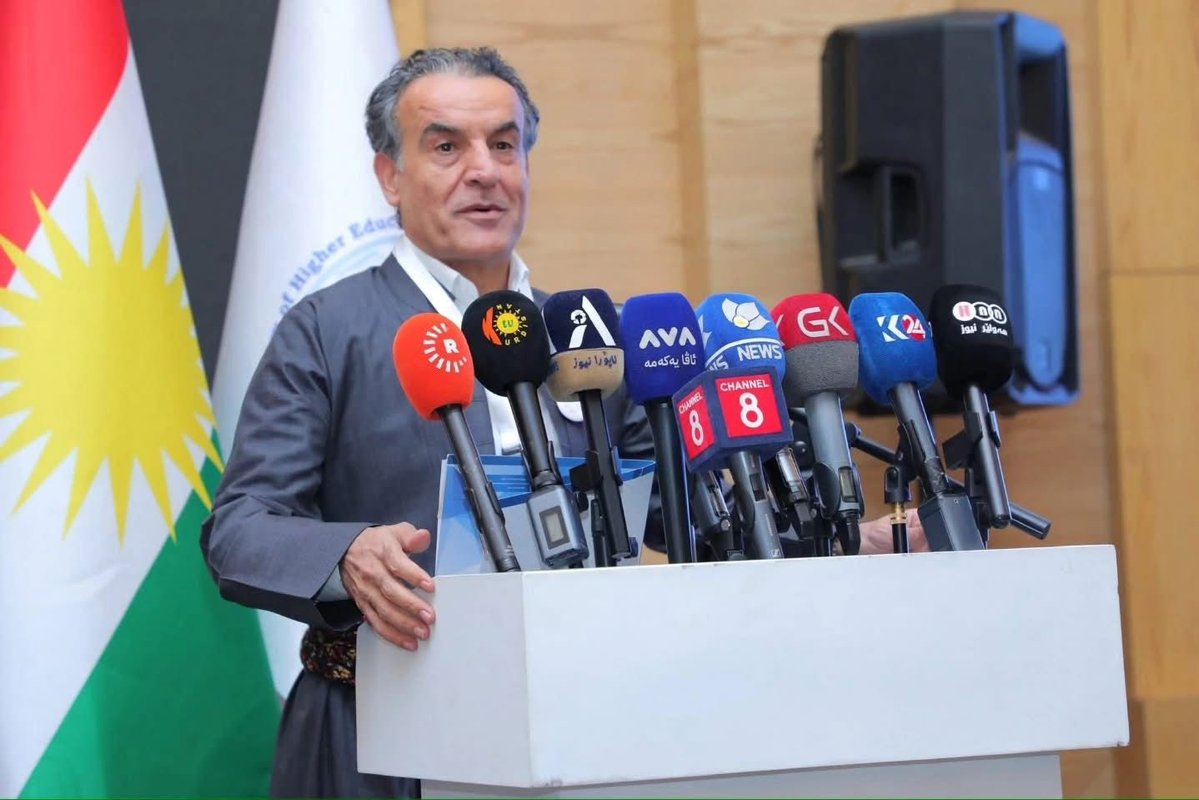
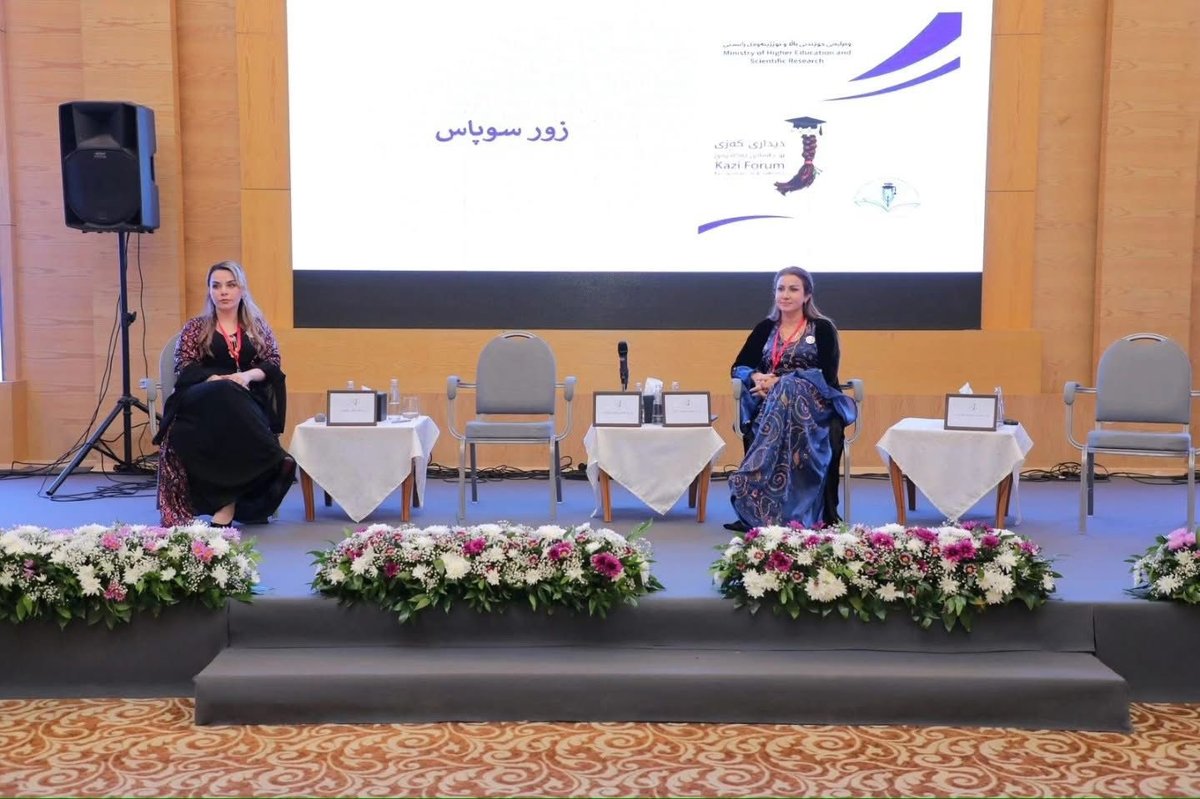
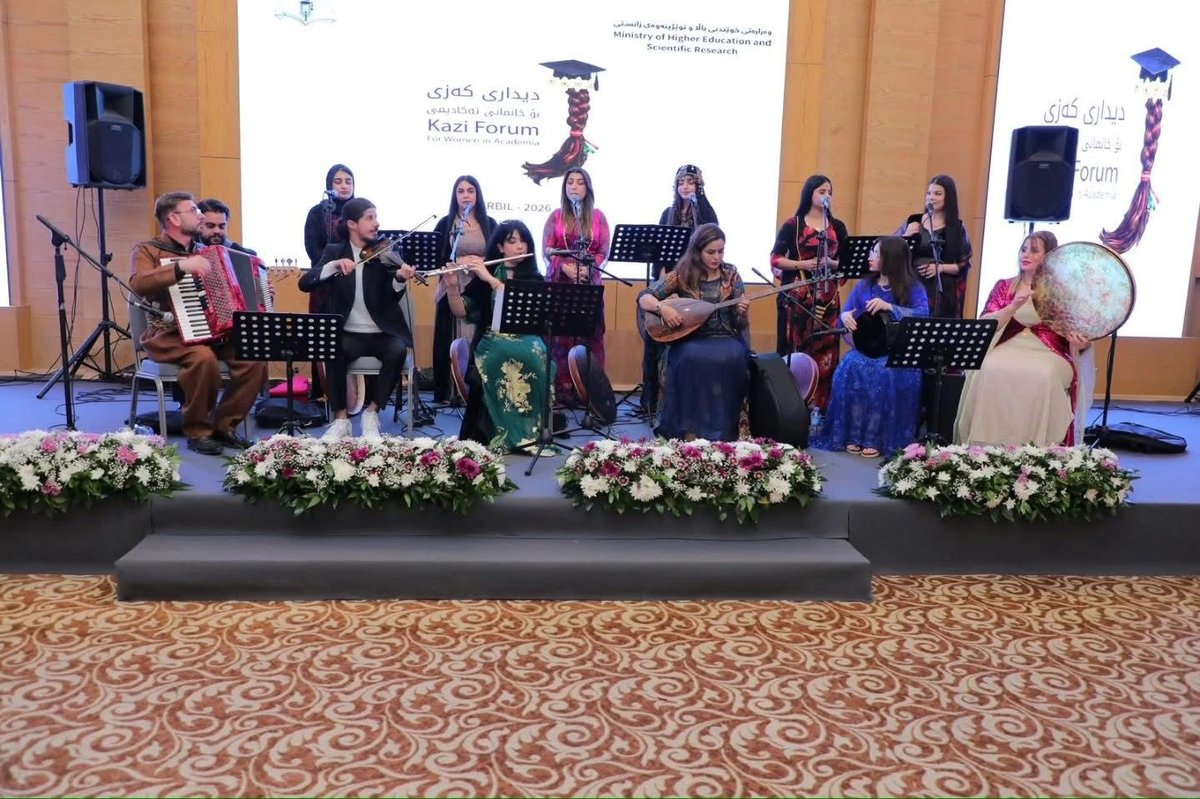
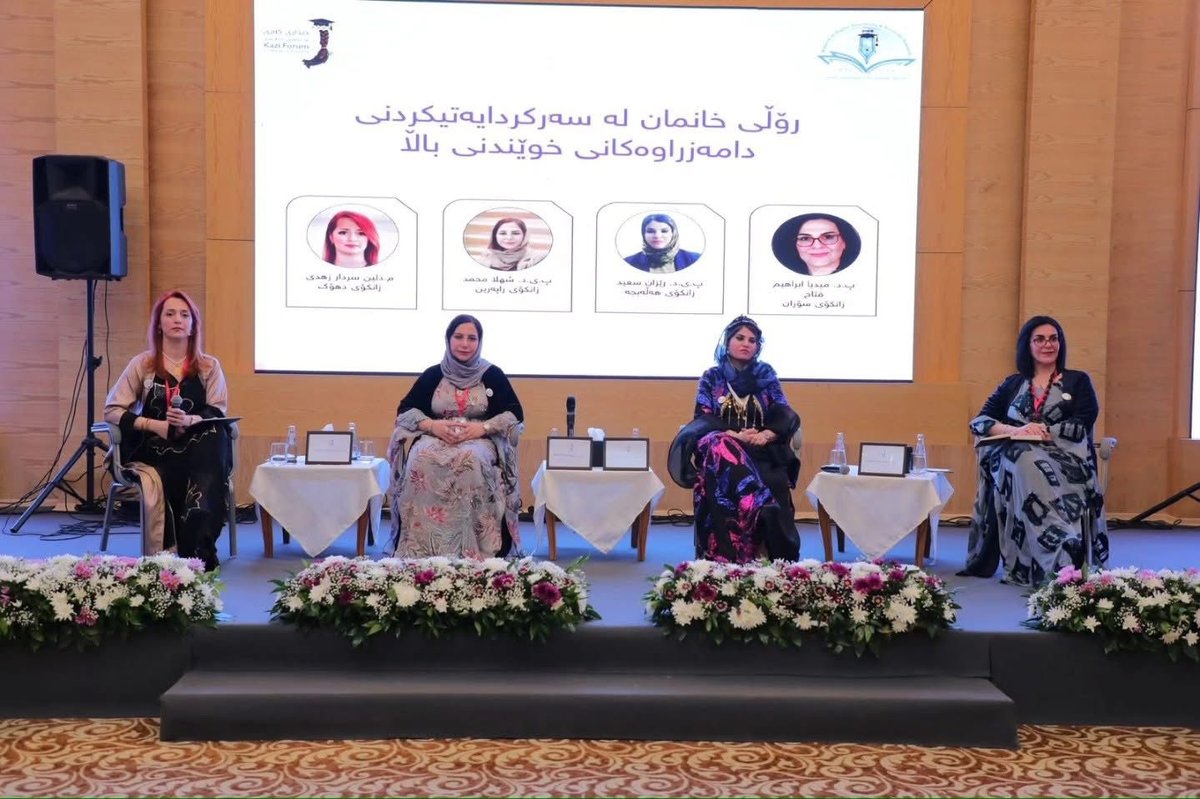
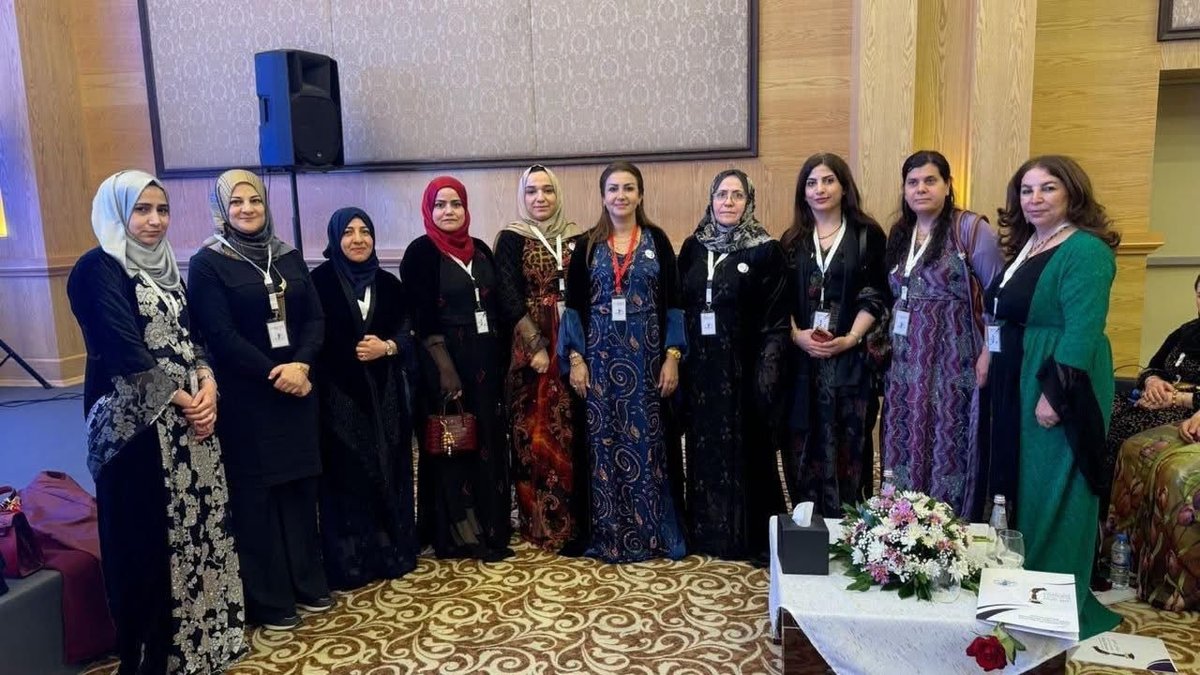
Under the supervision of Dr. Aram Mohammed Qader, Minister of Higher Education and Scientific Research, the Ministry of Higher Education, in coordination with the universities and scientific centers of the Kurdistan Region, organized a
"Kazi (Braid) Meeting for Academic Women"
With the participation of Prof. Dr. Ari Adel, President of Duhok Polytechnic University and member of the Higher Committee for organizing the Kazi meeting, and with the attendance of a large number of specialized female academics and university lecturers, the meeting was conducted. Discussions focused on the effective role of women in leading scientific institutions and advancing the higher education sector. The main themes of the meeting were addressed based on a prior survey to which 1,136 women responded. These themes were further discussed in a panel session during the meeting. Several important points were identified, including women’s leadership roles and perspectives on managing administrative and academic positions, as well as innovation, competence, and the development of women’s skills in the fields of technology and modern innovations, scientific research, and strengthening the presence of academic women on social media, in journals, and on international platforms.
At the conclusion of the meeting, recommendations and outcomes were presented by Prof. Dr. Ari Adel, President of Duhok Polytechnic University, during a panel session. These recommendations are intended to serve as a foundation for reforming public policy within the Ministry of Higher Education and Scientific Research. Based on the survey conducted prior to the meeting and its findings, it was emphasized that the Ministry should place greater trust in women’s capabilities and provide them with enhanced opportunities to assume senior positions. Furthermore, as a comprehensive system, the implementation of a quota system within higher education institutions was proposed to facilitate women’s access to decision-making centers. Additional recommendations included academic development and encouraging female faculty members to participate in international conferences, activating scientific profiles and accounts, and establishing an innovation center within the Ministry dedicated to evaluating and supporting women’s projects and innovations. It was also recommended to provide awards and recognition and to establish an annual system for honoring the.