 English
 كوردى
 عربي

A workshop on artificial intelligence was held.
University Media - Duhok
12/10/2026
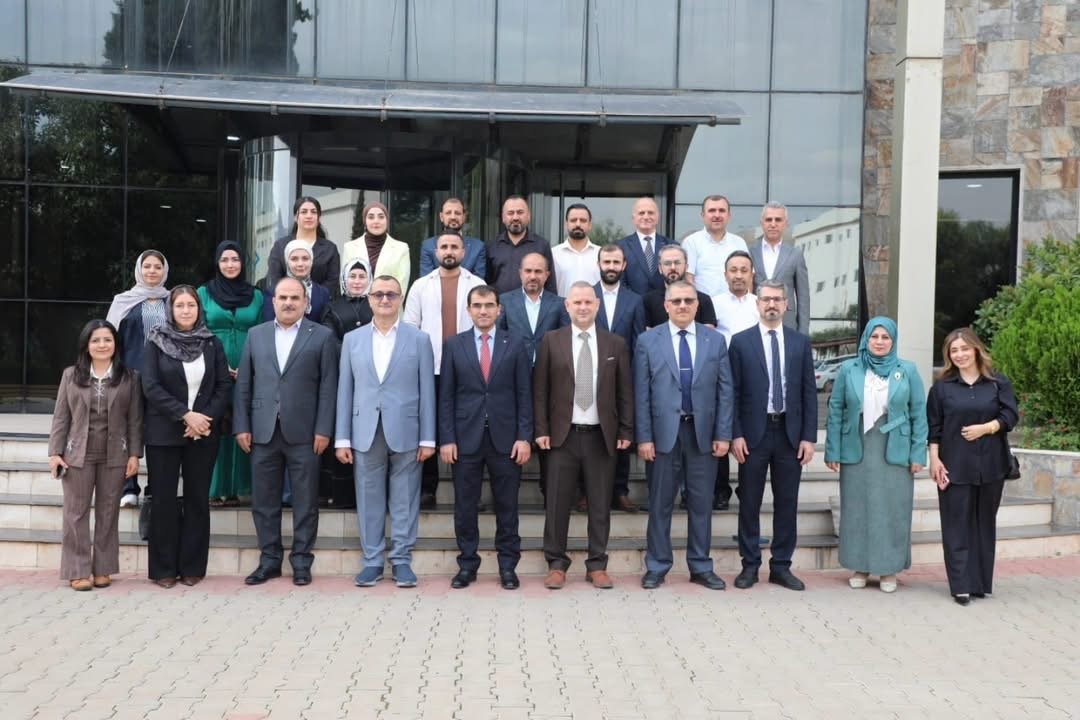
The General Directorate of the Scientific Research Center at the Duhok Polytechnic University, through the Directorate of Capacity Building and Laboratories, held a workshop today titled "AI in Education and Research".
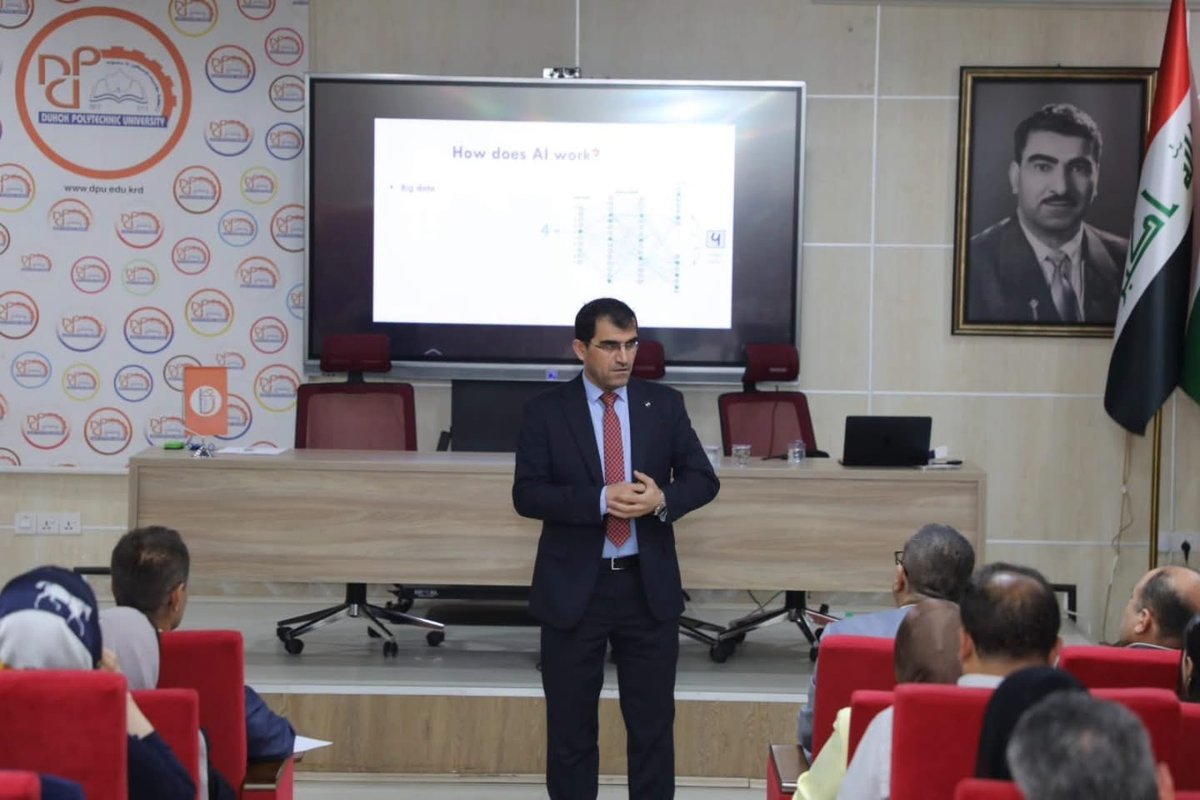
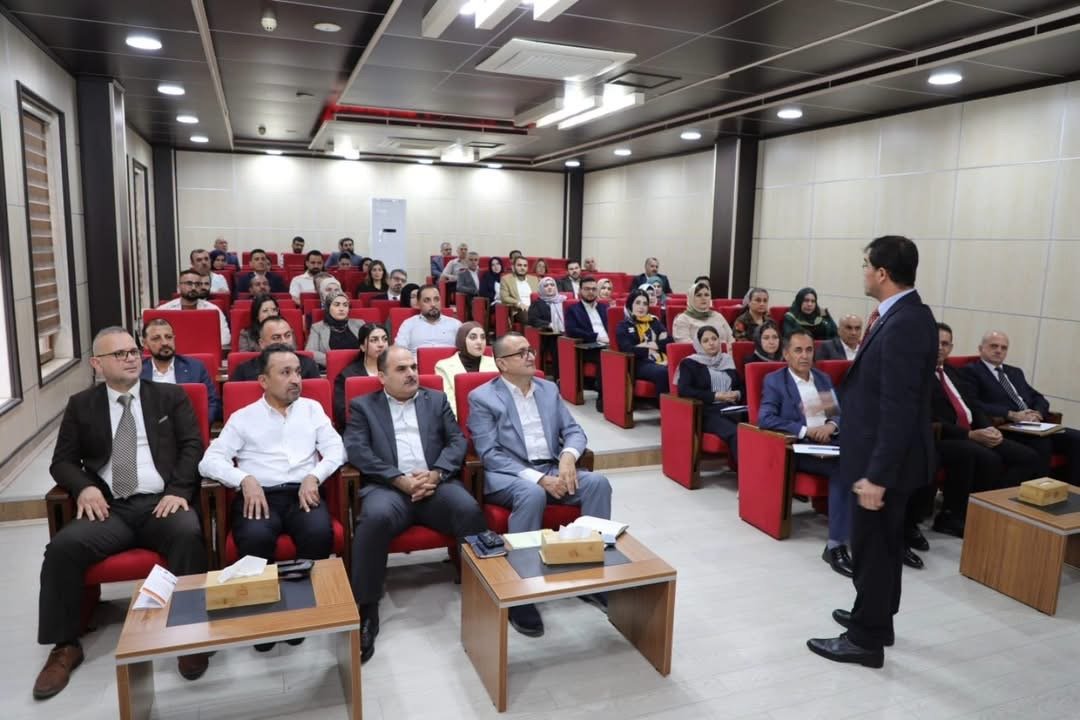
In the presence of Assist. Prof. Dr. Diyar Ahmed Saeb, General Director of the Scientific Research Center; Assist. Prof. Dr. Masoud Abdulkarim, Director of Capacity Building and Laboratories; and 75 professors, researchers, and academic staff, an AI workshop featuring four main themes was presented by Dr. Masoud Mohammed Hassan at the Seminar Hall of the Duhok Polytechnic University Presidency.
The first theme focused on the foundations and paradigm shift in education. It introduced a preliminary overview of artificial intelligence neural networks and the data-driven revolution, while discussing the shift from passive memorization to personalized learning managed by artificial intelligence.
The second theme elaborated on Applied Prompt Engineering. The main techniques included: role-based prompting, few-shot prompting, and chain-of-thought prompting. Four core principles were also announced: brevity, clarity, logical structure, and output formatting.
The third theme covered the practical application of academic AI tools. Literature review and research tools such as Elicit, SciSpace, and Google Deep Research were introduced. Additionally, content creation, lesson design, and presentation preparation via NotebookLM, Gamma, and Beautiful.ai were demonstrated. Finally, a comparison was made among Large Language Models (LLMs), including Perplexity, ChatGPT, Claude, Gemini, and DeepSeek.
The fourth theme addressed ethics, integrity, and the future. This theme examined the management of academic integrity, academic plagiarism, algorithmic bias, and data privacy. It also outlined the new role of the instructor as a mentor and discussed the transition from "Artificial Intelligence" to "Artificial Wisdom."
At the conclusion of the workshop, an opportunity for questions and answers was provided to the participants. Following the discussions, the workshop concluded with the reading of its recommendations and outcomes